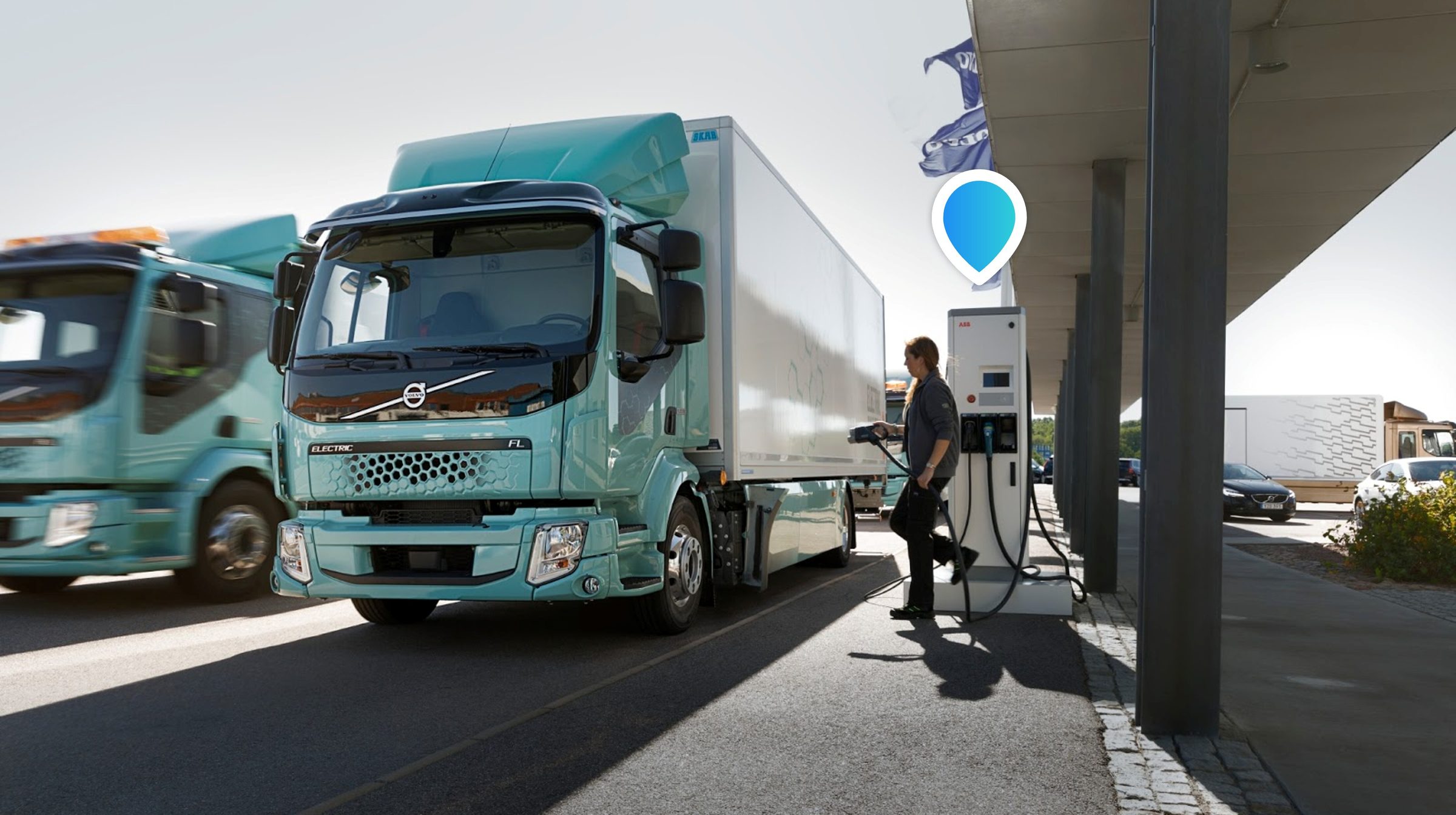
The future of freight transport is clearly moving toward more sustainable solutions. Yet Belgium is still at an early stage of this transition. Today, only 3% of newly registered trucks are electric, placing the country near the bottom of the European ranking.
Figure: Electric Truck Registrations in Europe
Around 22 000 Electric Trucks by 2035
According to market forecasts from the automotive industry federation FEBIAC, prepared before the recent easing of European legislation on electric trucks, around 22 000 electric trucks could be operating in Flanders by 2035. Reaching this level will require significant investment in charging infrastructure, and in the right locations. At present, dedicated charging infrastructure for trucks is almost nonexistent. This will need to change quickly to support the expected growth.

Nearly 50% of the required truck charging capacity will need to be developed along major highways, the so-called corridors. The other half will need to be installed elsewhere, such as in industrial areas or at public charging sites near fixed truck parking locations. The business case for operating truck charging stations remains uncertain today. However, the European Union is providing substantial subsidies to encourage early investors, which should help unlock the first projects.
Truck Charging Infrastructure Needed per Municipality
RetailSonar also analyzed where trucks currently operate and take breaks, as well as how these patterns are expected to evolve by 2030. Based on this analysis, the required charging infrastructure for electric truck traffic has been mapped per municipality. This gives governments and investors a clear view of where truck charging needs will be most urgent in the near future.
Where Should New Charging Stations Be Located?
RetailSonar publishes below the most suitable locations for new electric truck charging stations.
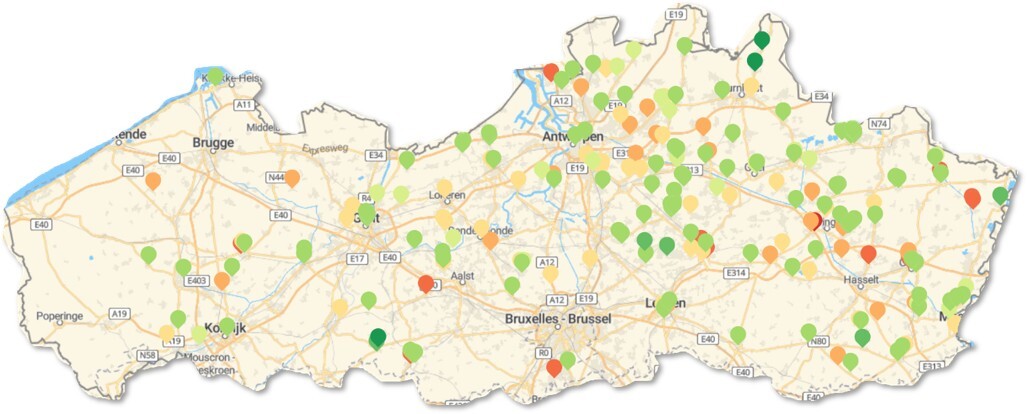
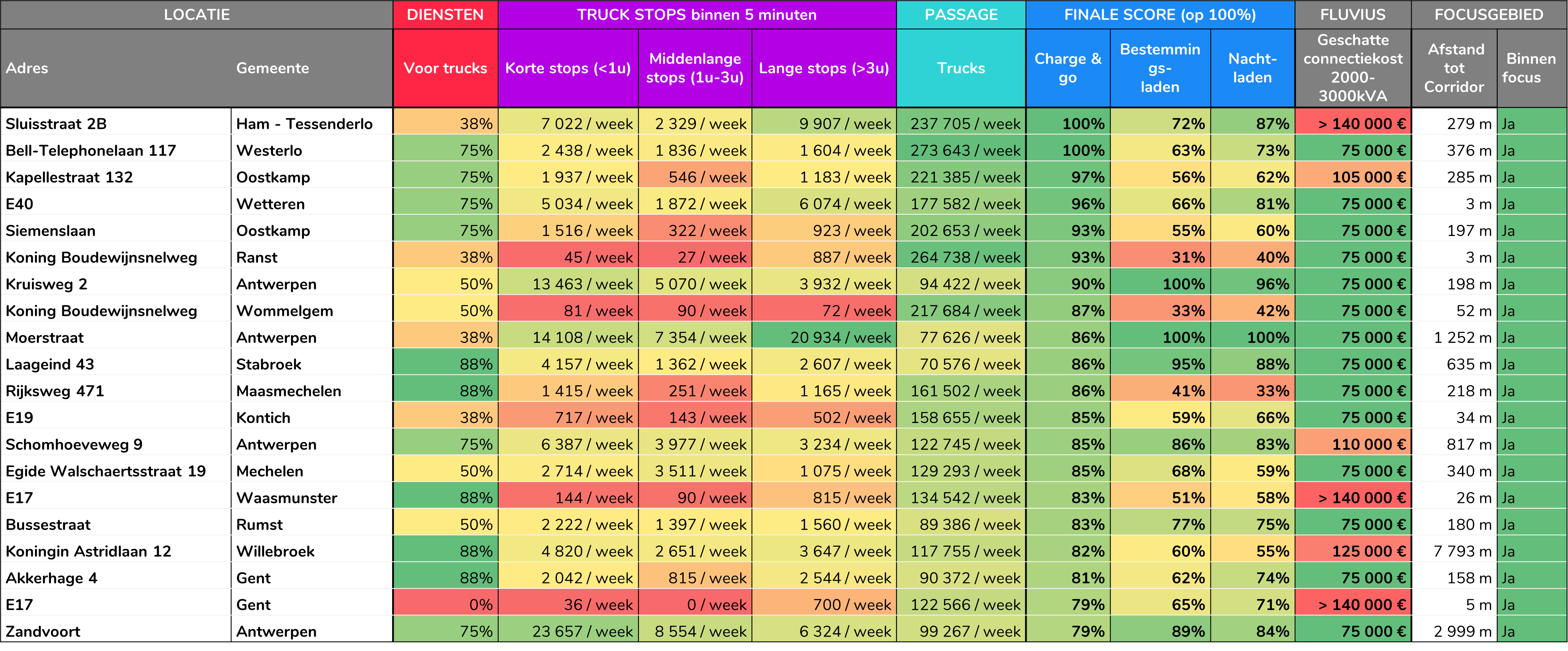
Download the results of the EFRO study
Finally, it is clear that many logistics companies are still taking a wait-and-see approach. Additional initiatives will be needed to show that investing in electric trucks can already make economic sense today, for example by clearly demonstrating the total cost of ownership.


Co-funded by the European Union and VLAIO for the amount of 395k EUR