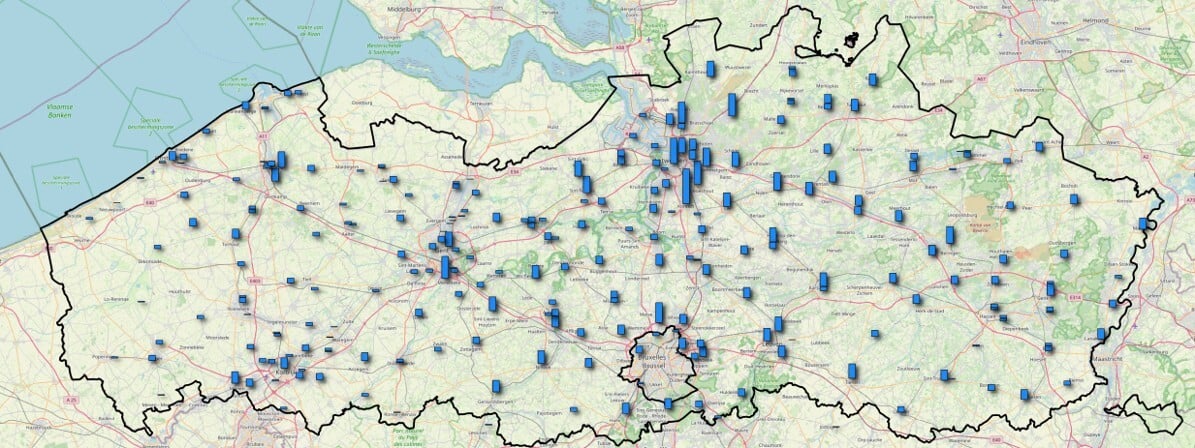
Ondanks dat Europa het verbod op auto’s met verbrandingsmotoren in 2035 laat vallen, blijft het belangrijk om de ogen te richten op het benodigde EV laadnetwerk van Vlaanderen dat dankzij het EFRO project in kaart is gebracht.
Echter blijven daarbij nog twee belangrijke vraagstukken over:
- Kan het elektriciteitsnetwerk de komende groei van elektrische wagens wel aan?
- Hoe krijg je de exploitatie van laadpalen voldoende rendabel?
Zal ons elektriciteitsnet de toekomst aankunnen?
Een eerste uitdaging is het elektriciteitsnet. De belasting op het net zal de komende jaren sterk toenemen door elektrificatie. Fluvius verwacht een forse stijging van de netbelasting; het aantal aanvragen voor zware aansluitingen op het transmissienet is tussen 2020 en 2025 zelfs verviervoudigd.
Hierdoor kampen vandaag 16 van de 235 Vlaamse stroomzones (transformatorstations) met netcongestie. Bovendien stijgt de algemene elektriciteitsvraag in Vlaanderen in snel tempo – volgens prognoses tot wel 30% hoger in de komende jaren.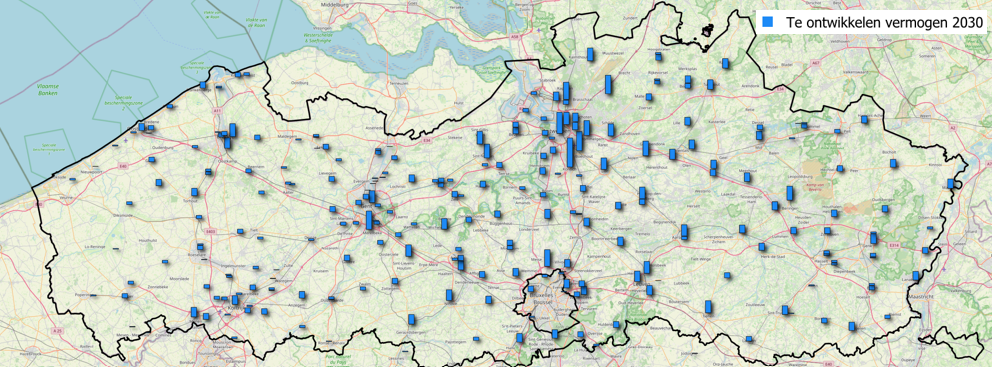
Netbeheerders Fluvius en Elia werken aan oplossingen en voorzien versnelde investeringen om de capaciteit van het net uit te breiden. Zo plant Elia om in de volgende vijf jaar ongeveer 2,6 miljard euro te investeren in het Vlaamse hoogspanningsnet. Hieronder het actieplan dat vanaf maart in uitvoering is:
-
Korte termijn oplossingen met het ‘Fallback Flex’-product
-
Flexibele aansluiting contracten op het distributienet
-
Meer capaciteit op het hoogspanningsnet
-
Optimalisatie van de uitbating van het distributienet
-
Extra investeringen om het netwerk op koers te houden
De Vlaamse regering heeft een ad hoc werkgroep opgericht met de netbeheerders, de regulator en de administratie waarmee een nieuwe conceptnota werd uitgewerkt met actiepunten en voorstellen tot extra maatregelen
Maar het zal ook aan de markt van laadpalen producenten zijn om oplossingen op de markt te brengen om slimmer te laden wanneer er overvloed is aan capaciteit. We moeten hierbij ook steeds meer gaan kijken naar “buffers” om onze capaciteit op te slaan. Zo kan de benodigde capaciteit in piekperiodes beperkt worden.
Hoe de exploitatie van laadpalen zo rendabel mogelijk maken?
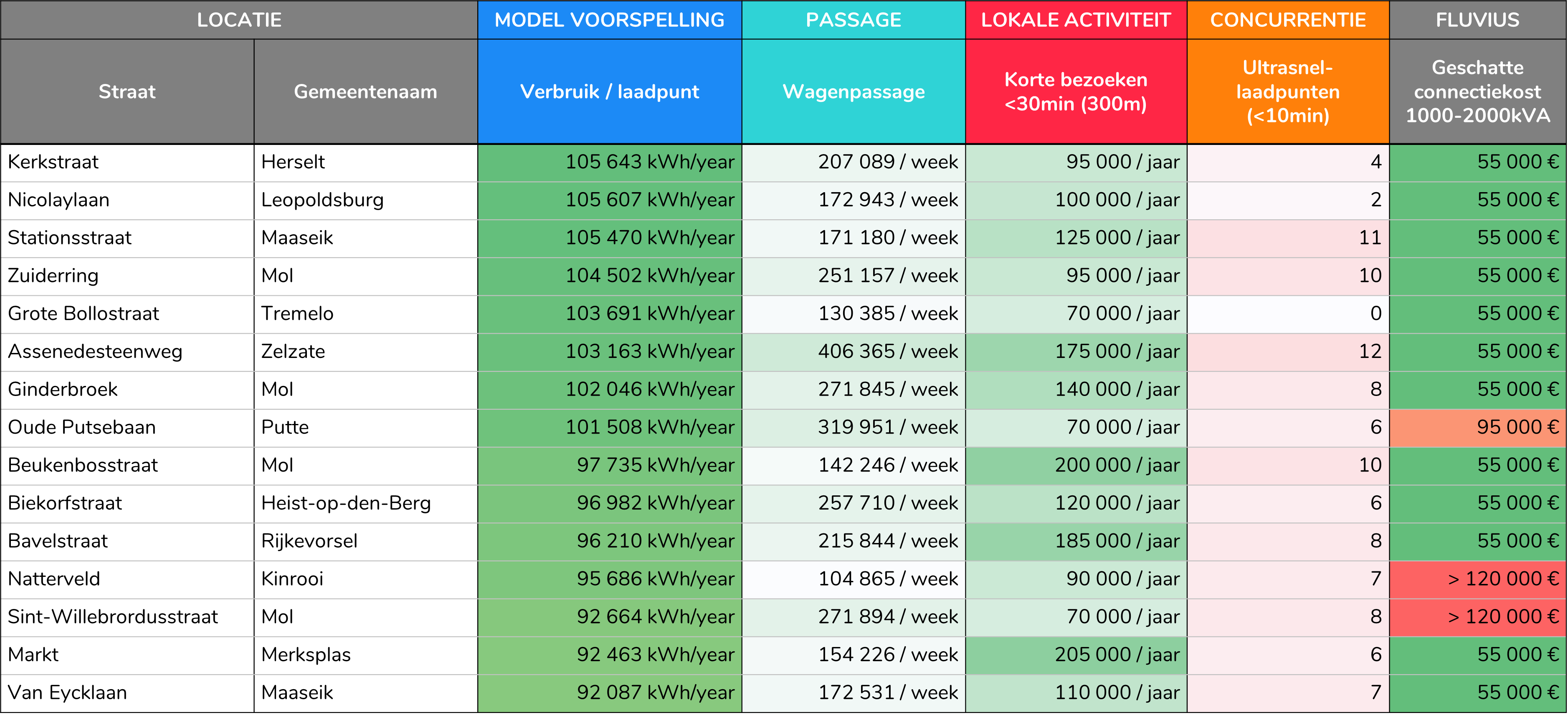
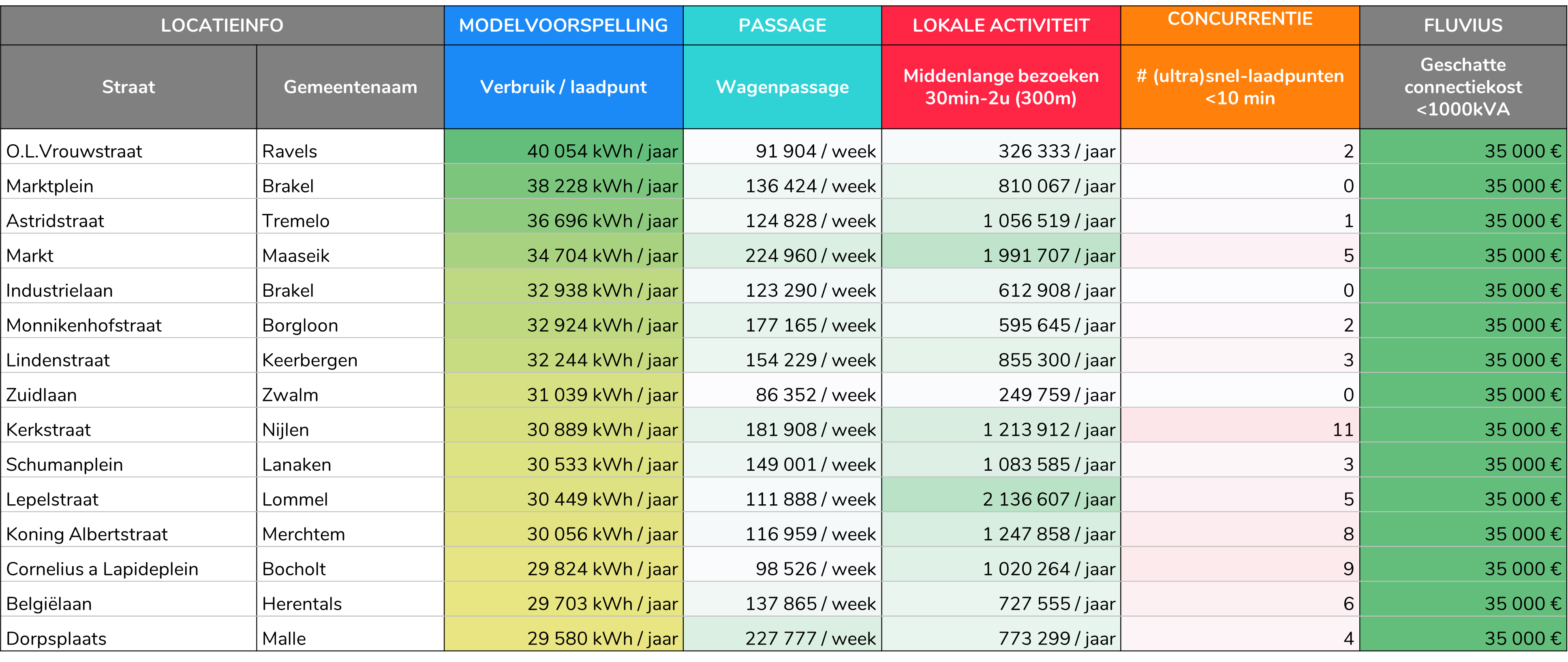
Een tweede uitdaging is de rendabiliteit van laadinfrastructuur. Vandaag levert een gemiddeld snellaadpunt in Vlaanderen ongeveer 13 MWh per jaar aan verbruik op; voor een ultrasnellaadpunt is dat circa 40 MWh. Dit gebruiksniveau is nét rendabel – de winstmarges blijven beperkt.
“10% van de huidige laadpunten wordt de komende jaren wellicht nooit rendabel”
Naarmate de markt in de komende jaren meer matuur wordt, mag worden verwacht dat het verbruik per laadpunt toeneemt. Investeringen zijn dus een kwestie van een langetermijnvisie: uitbaters moeten bereid zijn initieel in te zetten met het oog op toekomstige groei. Toch wordt circa 10% van de huidige laadpunten de komende jaren wellicht nooit rendabel.
Daarom is het belangrijk dat zoveel mogelijk hindernissen worden weggenomen voor laadpaal exploitanten om hen toe te laten om rendabele business cases te zoeken en te vinden. Meer marktdata toegankelijk maken is hierbij cruciaal. Op dit vlak is Vlaanderen een voortrekker.
Zo heeft Fluvius destijds een capaciteitswijzer gelanceerd. Dit bood een eerste screeningmogelijkheid aan CPO’s aan om voor elk perceel in Vlaanderen al inzicht te krijgen in de mogelijkheden op een aansluiting. In veel andere regio’s in Europa dienen vandaag immers nog steeds grote vooronderzoekskosten betaald te worden voor elke case die onderzocht moet worden.
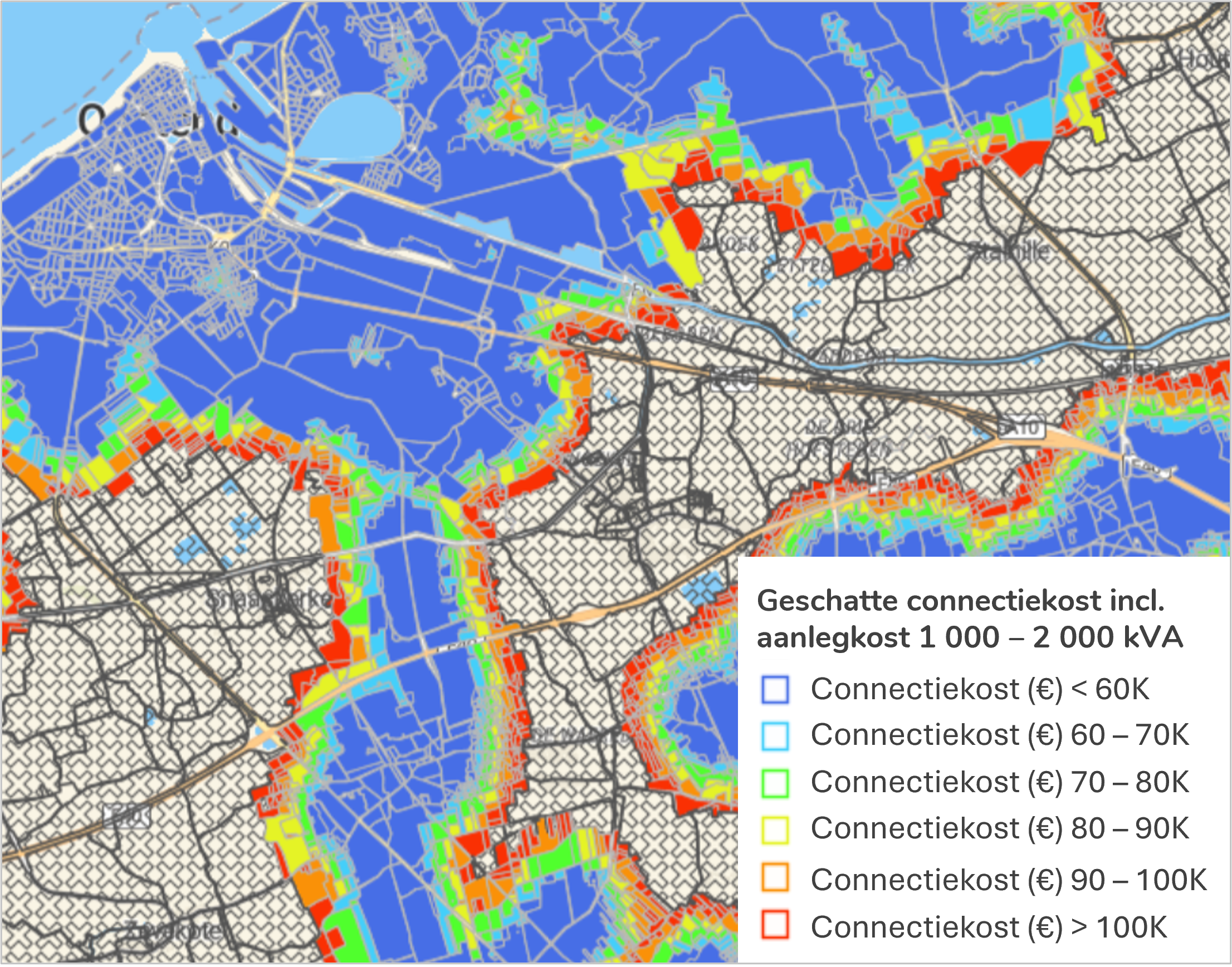
Ook de Vlaamse Overheid neemt heel wat initiatieven om steden en Gemeenten te informeren over de noden en opportuniteiten binnen de gemeentes.
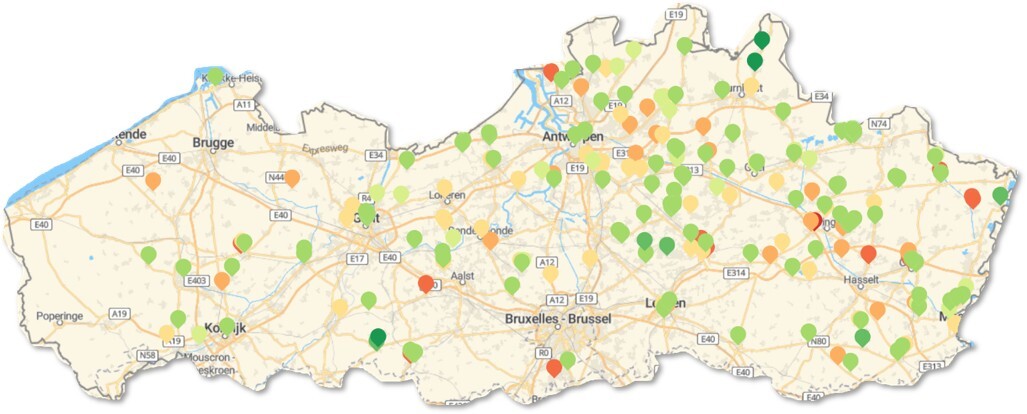
En alle beschikbare data in Vlaanderen werd door RetailSonar ook geïntegreerd binnen slimme voorspellende modellen, die de huidige hotspots in Vlaanderen hebben blootgelegd. Maar uiteraard gaat het hier slechts om een momentopname, die regelmatig herhaald moet worden.
Bekijk hier de huidige hotspots voor 4 ultrasnel laders: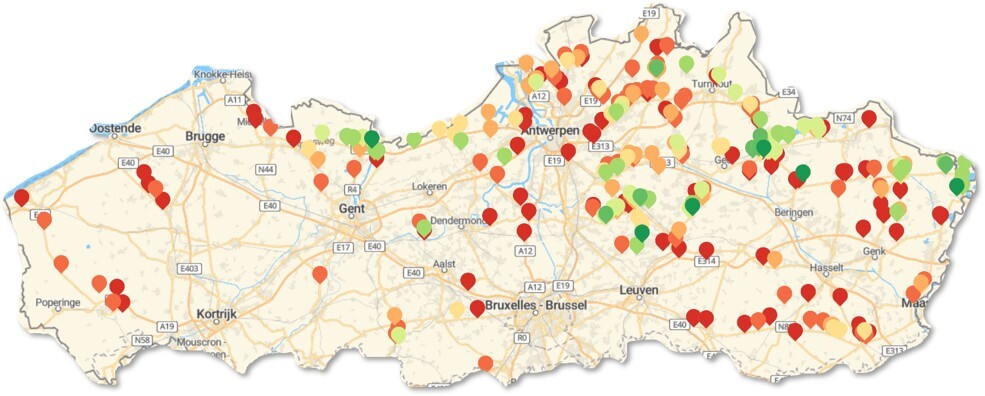
Bekijk hier de huidige hotspots voor 4 snelladers:
Download hier alle resultaten van het EFRO project:


Medegefinancierd door de Europese Unie en VLAIO voor een bedrag van 395k EUR